
Could Meibomian Gland Dysfunction Be Behind Your Dry Eyes? Questions to Ask at Your Evaluation
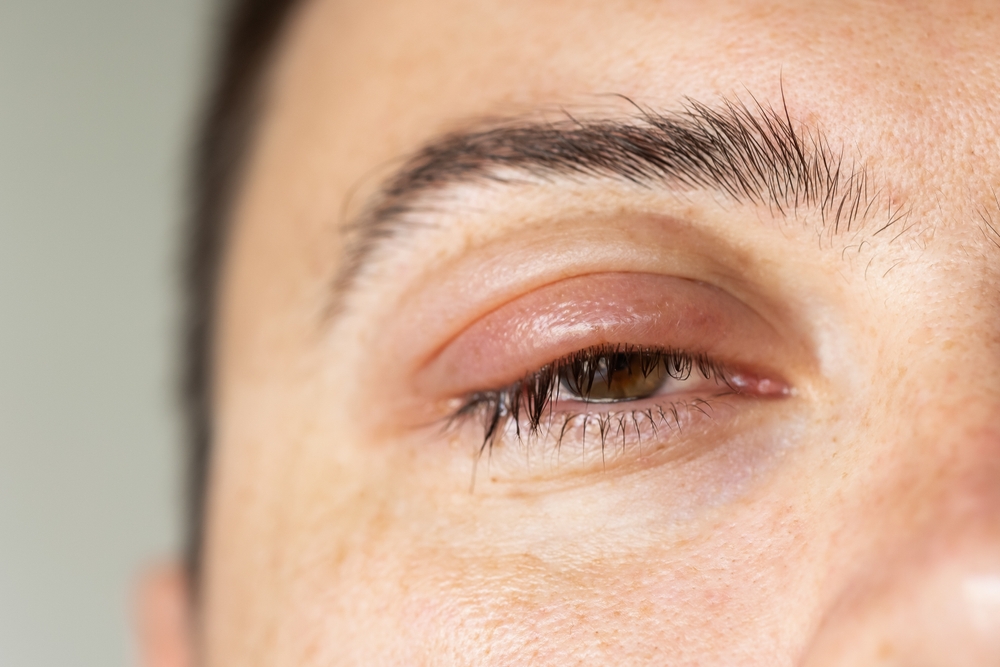
If your eyes frequently feel dry, gritty, or irritated, the problem may involve more than insufficient tear production. Meibomian gland dysfunction (MGD) is a common cause of dry eye symptoms that can affect your daily comfort and vision. At Watertown Eye, we help patients identify the underlying causes of dry eye disease and explore treatment options based on their needs.
What Is Meibomian Gland Dysfunction?
Your meibomian glands are tiny oil-producing glands along the edges of your eyelids. They release oils that help prevent tears from evaporating too quickly. When these glands become blocked or inflamed, they may not release enough healthy oil to maintain a stable tear film.
Common symptoms of MGD include burning, redness, blurry vision, excessive watering, and a gritty sensation. These symptoms can resemble other eye conditions, making a professional dry eye evaluation important for identifying the cause.
Questions to Ask During Your Dry Eye Evaluation
Understanding your symptoms and treatment options can help you make informed decisions about your eye health. During your dry eye evaluation in Watertown, consider asking:
• Could my symptoms indicate meibomian gland dysfunction? We can examine your eyelids and tear film for signs of blocked or poorly functioning oil glands.
• How will you evaluate my meibomian glands? Diagnostic methods such as meibography allow us to assess gland structure and identify abnormalities.
• Are other conditions contributing to my dry eyes? Allergies, blepharitis, medications, and reduced tear production may also play a role.
• What treatment options are available? Depending on your findings, we may recommend moist heat treatments, meibomian gland expression, or OptiLight by Lumenis.
• How often should I return for follow-up appointments? Regular evaluations can help us monitor your symptoms and adjust your treatment plan when necessary.
What Happens During an MGD Evaluation?
At Watertown Eye, we begin by reviewing your symptoms, medical history, and daily habits. We may ask whether your discomfort worsens during screen use, contact lens wear, or exposure to dry indoor air.
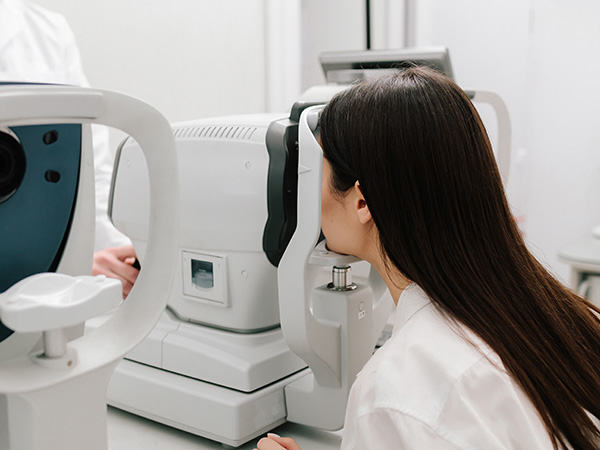
Our dry eye diagnostic testing may include meibography, tear break-up time measurements, and staining techniques to evaluate your eye's surface. These assessments help us determine whether your symptoms are associated with meibomian gland dysfunction, insufficient tear production, or a combination of factors.
Can Meibomian Gland Dysfunction Be Managed?
MGD often requires ongoing management to improve tear film stability and reduce discomfort. Treatment depends on the severity of gland dysfunction and other contributing conditions.
For some patients, consistent eyelid hygiene and appropriate warm compresses may help support oil flow. Others may benefit from in-office treatments such as meibomian gland expression or OptiLight IPL therapy. Our goal is to develop a personalized dry eye treatment plan that addresses your specific symptoms while monitoring your progress over time.
If persistent dryness, burning, or watery eyes are affecting your daily comfort, schedule a dry eye evaluation with Watertown Eye to find out whether meibomian gland dysfunction could be responsible. Visit our office in Watertown, MA, or call (617) 923-2323 to book an appointment today.
Quick Links
Helpful Articles
All Eye Care Services
Find personalized eye care excellence with our comprehensive services. From eye exams to advanced diagnostics, trust us for all your vision needs.

Keep In Touch
For non-urgent questions or to learn more about our services, contact us today!
© 2026 Watertown Eye. All rights Reserved - Accessibility Statement - Privacy Policy - Sitemap
Managed and Designed by 